
The Great Migration in Kenya: when and where to see it
We may earn a commission if you book or shop through links on this page. You choose the provider that works best for you.
What is the Great Migration?
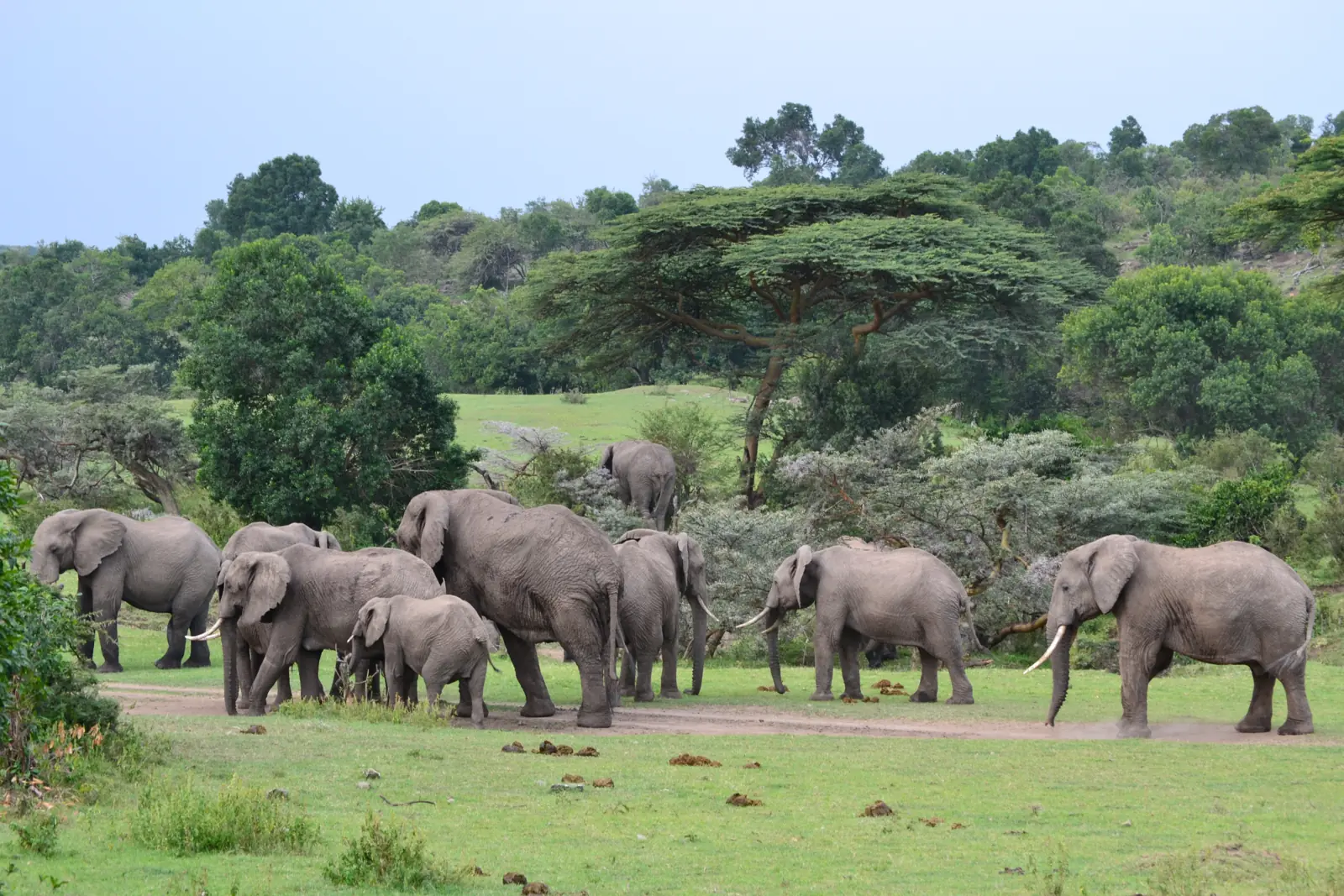
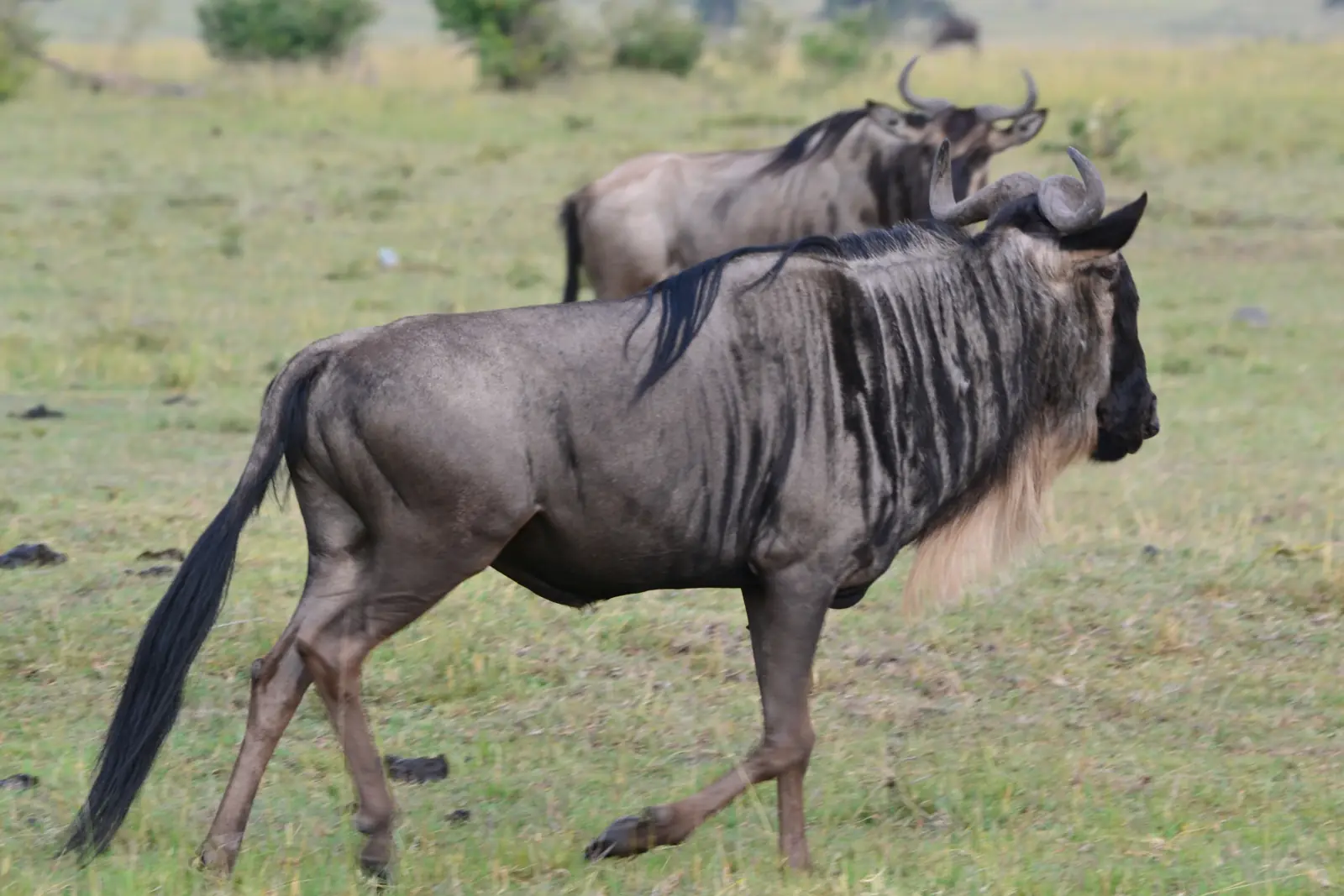
Every year, enormous herds of wildebeest follow the rains in a giant clockwise circle through the Serengeti–Mara ecosystem. Zebra and gazelle travel with them, and lions, cheetahs, hyenas and crocodiles follow close behind. It's one of the largest animal movements on earth, and the Kenyan part of it is concentrated into just a few months.
The migration calendar
| Months | Where the herds usually are |
|---|---|
| Jan – Mar | Southern Serengeti, Tanzania. Calving season, with hundreds of thousands of babies born. |
| Apr – May | Moving north and west through the Serengeti during the long rains. |
| Jun – Jul | Western and northern Serengeti. Grumeti River crossings. First herds reach Kenya. |
| Aug – Sep | Maasai Mara, Kenya. Peak Mara River crossings. |
| Oct | Mara, then starting to head south as the short rains approach. |
| Nov – Dec | Back south into the Serengeti. |
These are typical patterns, not a schedule. Rain decides where the grass grows, and the herds go where the grass is.
Seeing a river crossing
River crossings happen when thousands of wildebeest gather on the banks of the Mara River and finally plunge in, while crocodiles wait in the water. They can't be predicted. Herds may mass on the bank for hours and then turn away. Your best chance comes from staying several nights near the river in August or September, with a guide who is willing to wait.
Where to stay
Camps in the northern Mara Triangle and along the Mara River give the quickest access to crossing points. Private conservancies bordering the reserve, like Olare Motorogi and Naboisho, limit vehicle numbers. They're quieter and allow night drives and walks, though crossings themselves happen in the main reserve.
Our tips
- Book 9 to 12 months ahead for August. The best camps fill first.
- Stay at least four nights in the Mara to give yourself real odds of a crossing.
- Add a hot-air balloon flight at dawn. Seeing the herds from above was a highlight of our trip.
Ready to plan your Kenya safari?
Compare safari specialists, multi-day tour marketplaces and local experiences, then choose the one that fits how you want to travel.
Go2Africa
Work with an African safari specialist to plan a tailored itinerary, including accommodation, transfers, and experiences.
Explore Go2Africa (opens in a new tab)Safari.com
Browse safari destinations, lodges, and itineraries, then connect with a specialist to plan your trip.
Explore Safari.com (opens in a new tab)TourRadar
Compare organized multi-day safaris and tours from different operators, with itineraries and departure options to explore.
Compare safari tours (opens in a new tab)Viator
Explore game drives, day trips, and other experiences to add to your Africa itinerary. Check each listing for duration and operator details.
Explore safari experiences (opens in a new tab)Frequently asked questions
What month is best to see the Great Migration in Kenya?
August and September are best. The herds are usually in the Maasai Mara and river crossings are most frequent.
Is the Great Migration in Kenya or Tanzania?
Both. The herds spend most of the year in Tanzania's Serengeti and usually cross into Kenya's Maasai Mara from about July to October.
How many animals are in the Great Migration?
More than a million wildebeest, plus hundreds of thousands of zebra and gazelle.
More Kenya guides
The best time to visit Kenya for a safari
Dry seasons, rainy seasons, migration months and the cheapest time to go.

How much does a Kenya safari cost?
Real daily costs for budget, mid-range and luxury trips, plus park fees.
Kenya eTA: how to get your entry permit
The USD 30 entry permit, the official site, and what else to sort before you fly.