Kenya · Three weeks · Our honeymoon

We went to Kenya as newlyweds. We came home changed.

Three weeks, one dusty Land Cruiser, a guide who had been waiting years to see my father-in-law again, and a village of children who taught us how to dance.

Nairobi→Laikipia→Lake Nakuru→Maasai Mara→Tsavo→Nairobi
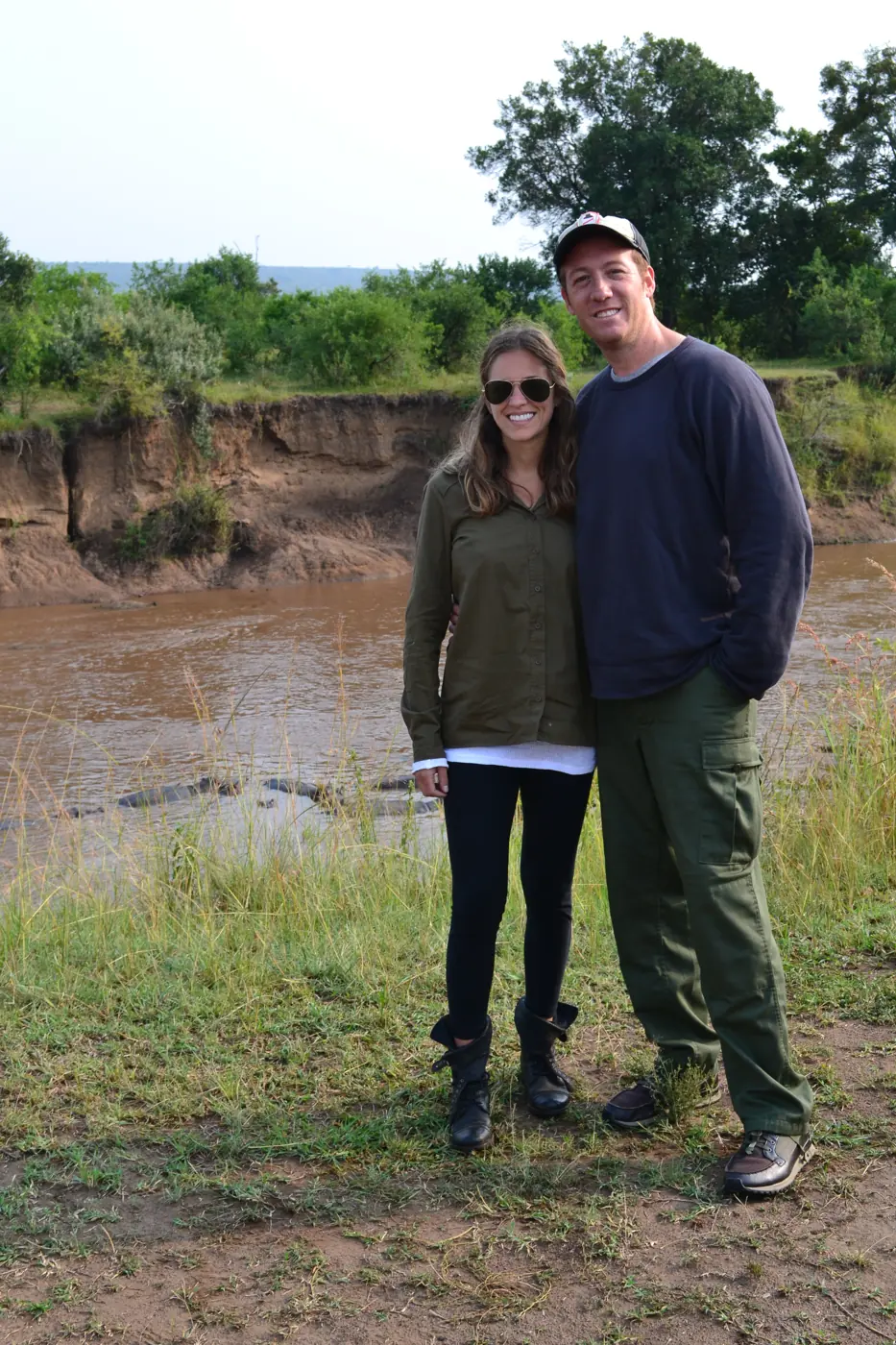
A newlywed couple standing on the bank of the Mara River in Kenya
On the bank of the Mara River. The hippos were twenty feet behind us.

A honeymoon that started with a promise

Most couples pick a beach for their honeymoon. We picked Kenya because of my father-in-law. He had been on safari years before, and at our wedding he told us you haven't really started a marriage until you've watched the sun come up over the Maasai Mara together. Then he said he was coming too. We laughed. He wasn't joking, and I'm grateful every day that he wasn't.

He had stayed in touch with the guide from his first trip, a soft-spoken man named Polycarp. When we came through arrivals in Nairobi, Polycarp was there holding a hand-lettered sign. He saw my father-in-law, dropped the sign, and the two of them hugged for a long time. Neither of them seemed to notice the crowd.

From that moment we weren't tourists on a tour. We were Polycarp's guests, and Kenya treated us like family.
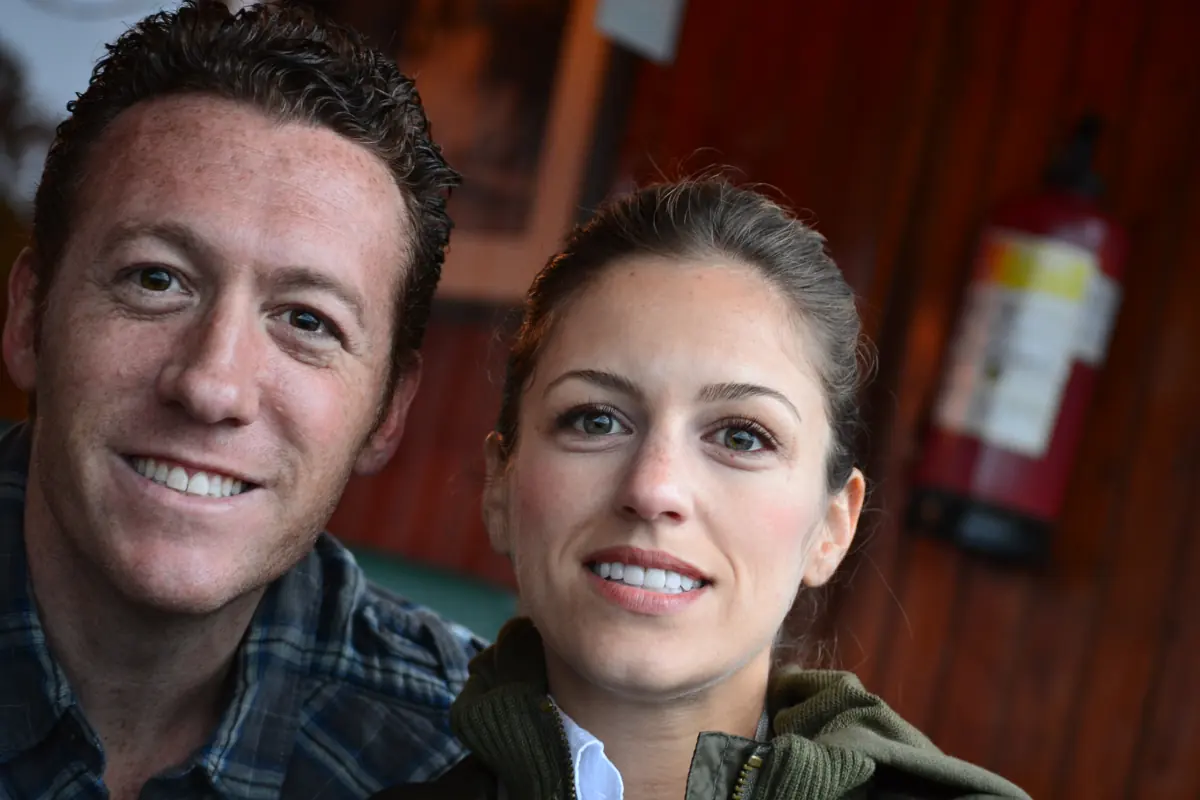
The honeymooning couple smiling together on their first night in Kenya
Night one. Jet-lagged, newly married, and already in love with the place.

Laikipia, wild dogs, and a Samburu welcome

Polycarp drove us north to Laikipia, a high plateau of private ranches and community land where cattle and wildlife share the same grass. We stayed at Sosian, an old ranch house with a stone at the gate that has the name painted on it in white.

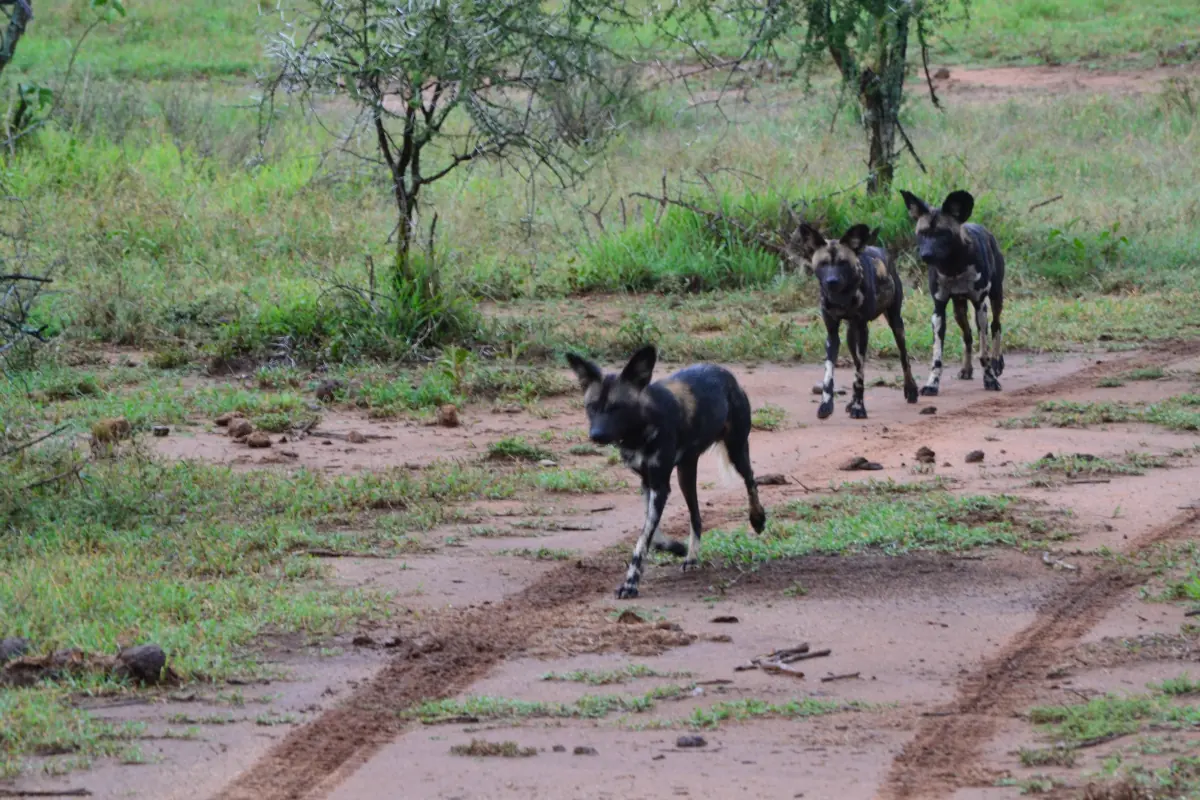
On our second morning Polycarp stopped the truck and whispered, "Look." Three African wild dogs trotted straight down the track toward us. There are only a few thousand left in all of Africa. My father-in-law, who had done this before, said he had never seen them. Polycarp just smiled like he had planned it.

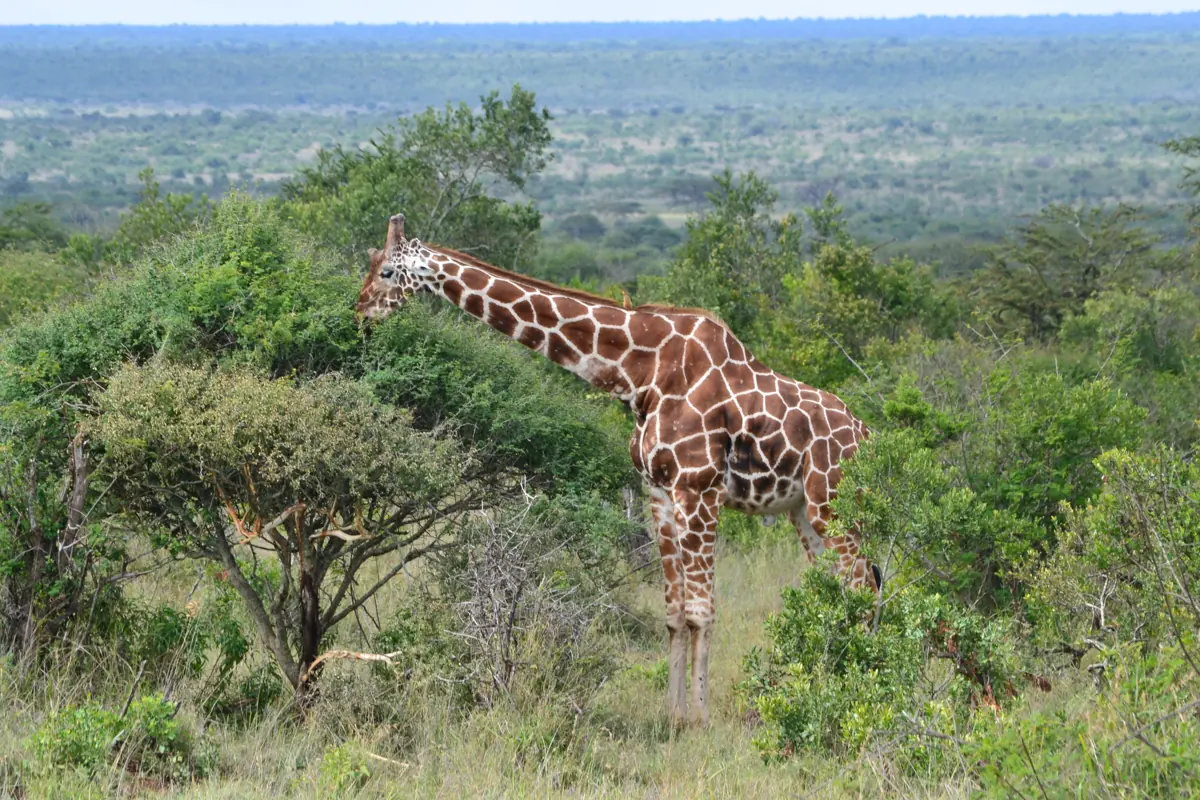
Reticulated giraffeNetted coat, sharp white lines
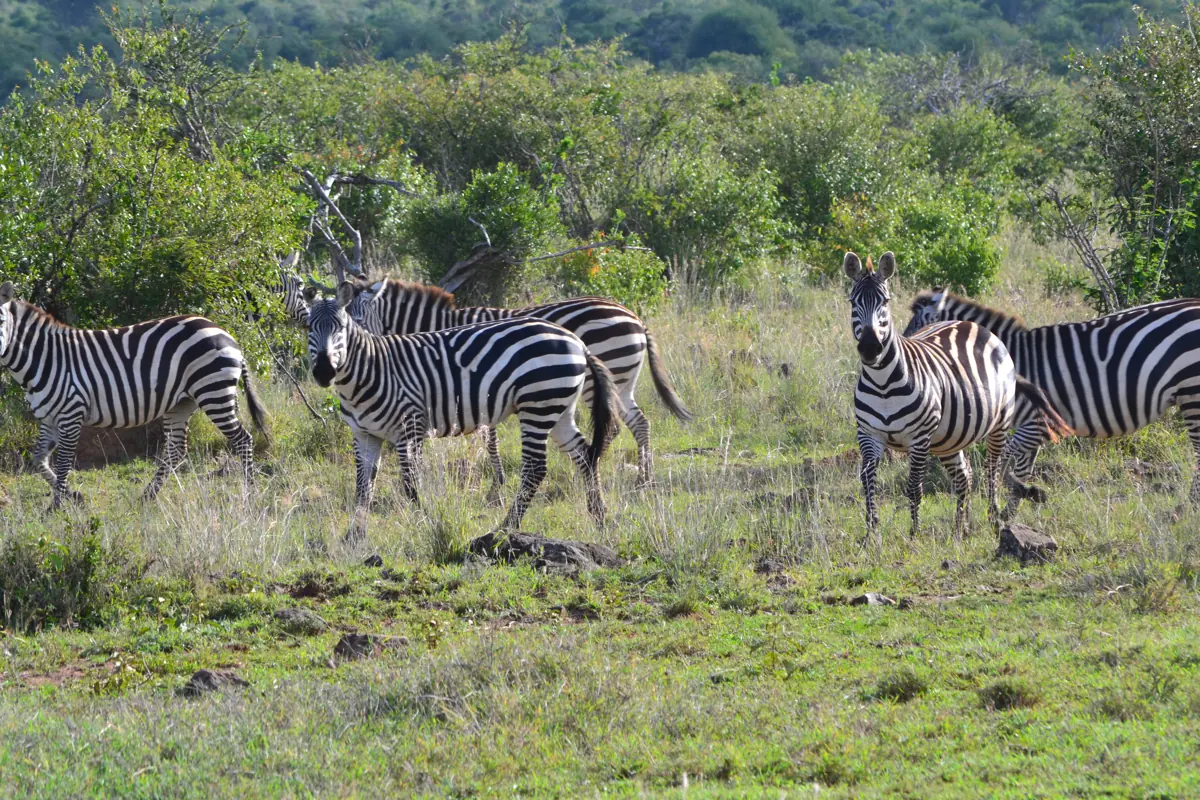
Grevy's zebraNarrow stripes, big round ears
GerenukStands on hind legs to feed
Beisa oryxLong straight horns
Somali ostrichBlue-gray neck and legs

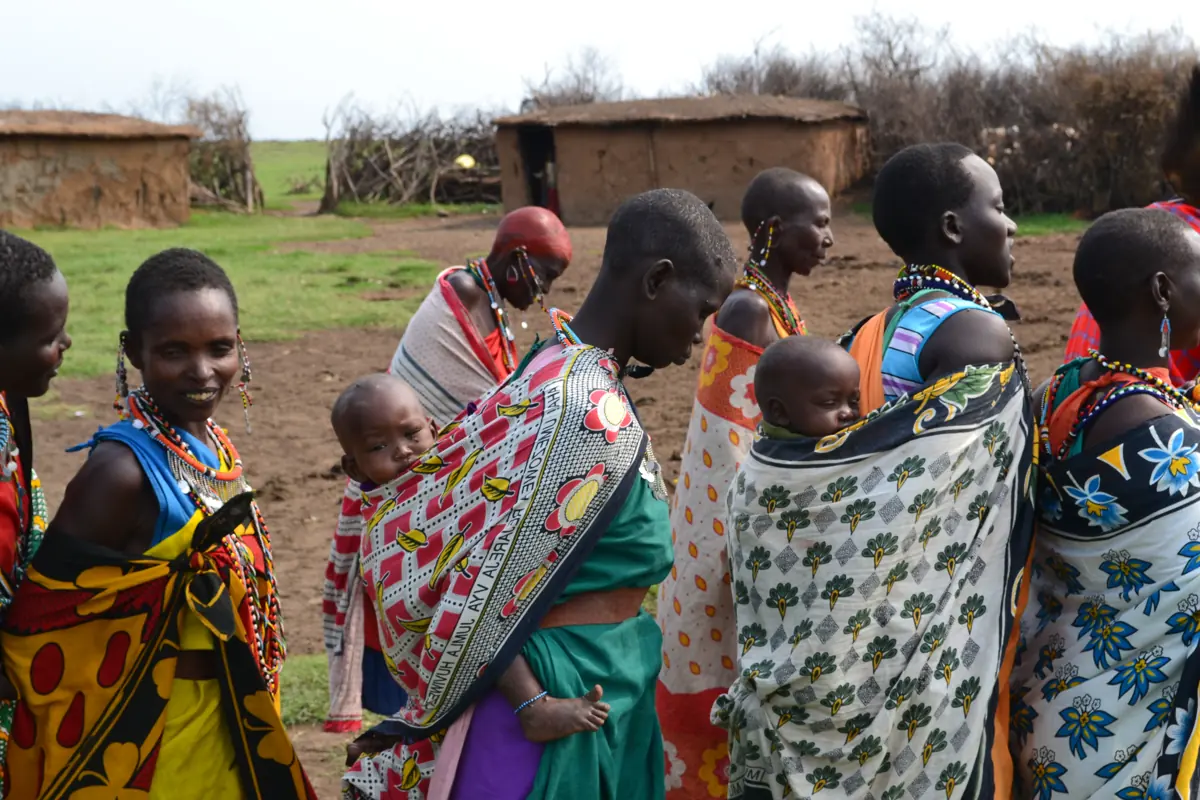
Before we left Laikipia, Polycarp took us to a Samburu village. The women came out singing, their necks layered in wide collars of red, white and blue beads, and they pulled my wife into the circle before she had both feet out of the truck.

The children found me next. They laughed at my sunglasses, tried on my hat, and led me by the hand to the goats they were proudest of. My father-in-law sat in the shade while the elders talked with him through Polycarp, and I watched him smile in a way I hadn't seen before.

Nobody there had much. Everyone there was happy to share it.

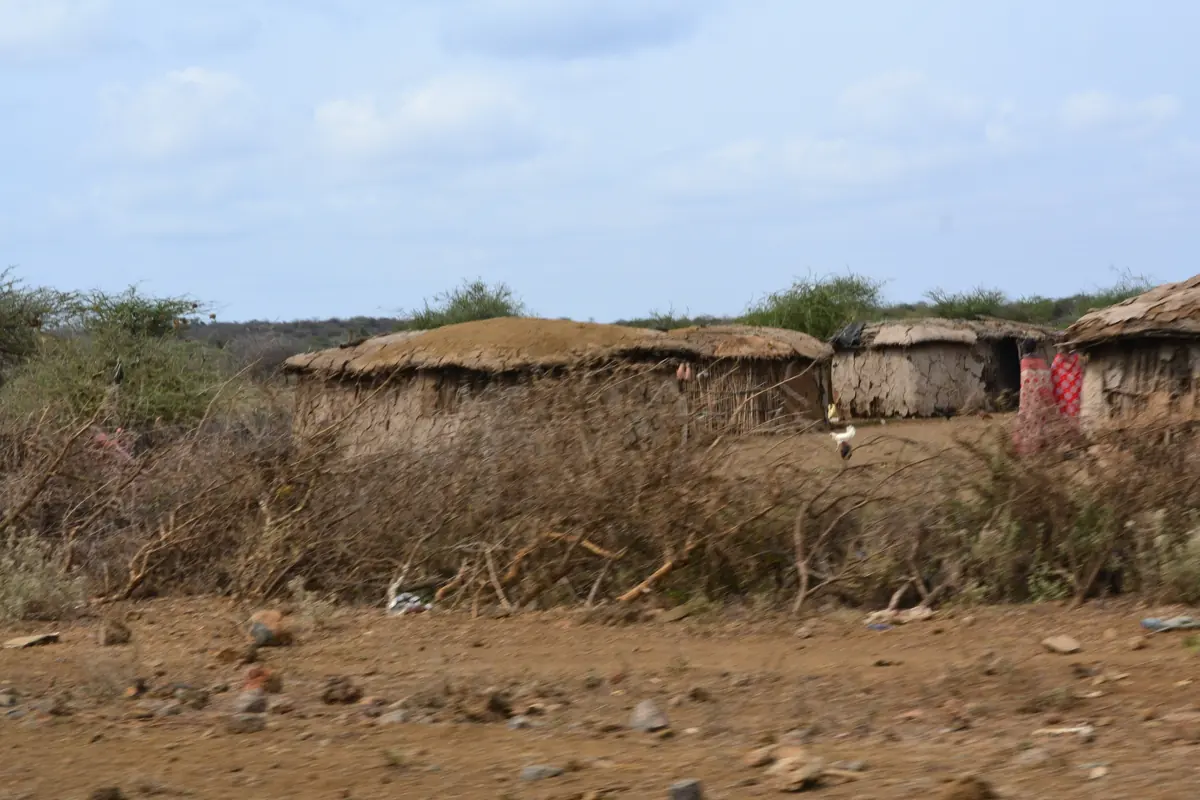
A village of low mud-and-thatch houses behind a thorn fence on dry red earth
A manyatta: houses built by the women from mud, sticks and dung, ringed by a thorn fence

A pink shoreline in the Rift Valley

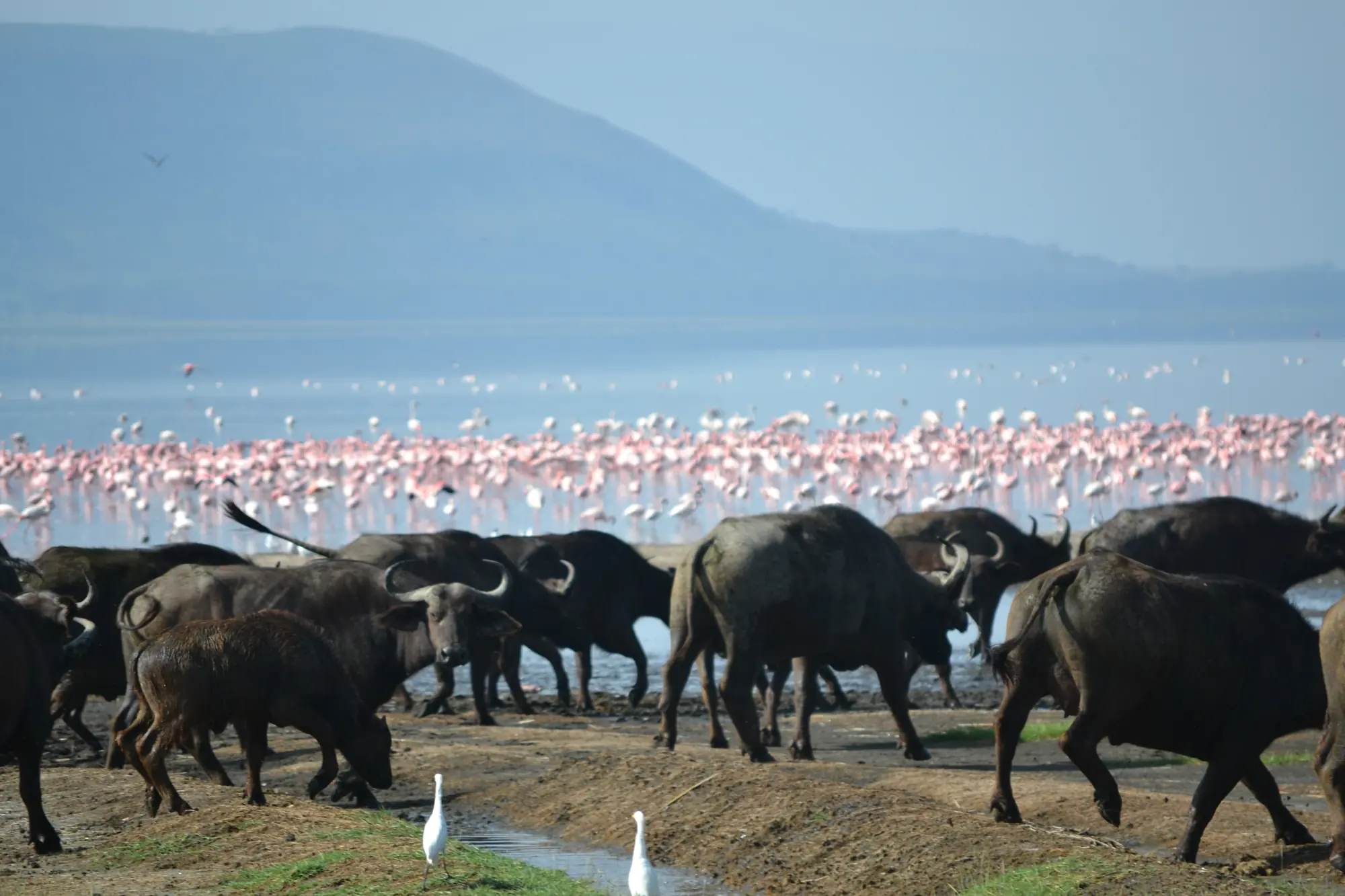
Halfway down the Rift Valley the road drops to Lake Nakuru. From a distance the shoreline looks like it's been painted pink. Up close, it's tens of thousands of flamingos feeding in the shallows. A herd of buffalo walked right between us and the birds, and the whole pink line lifted, wheeled and settled again.

A herd of cape buffalo walking along a lakeshore lined with thousands of pink flamingos
Buffalo and flamingos at Lake Nakuru

The Mara, and the morning I'll never forget

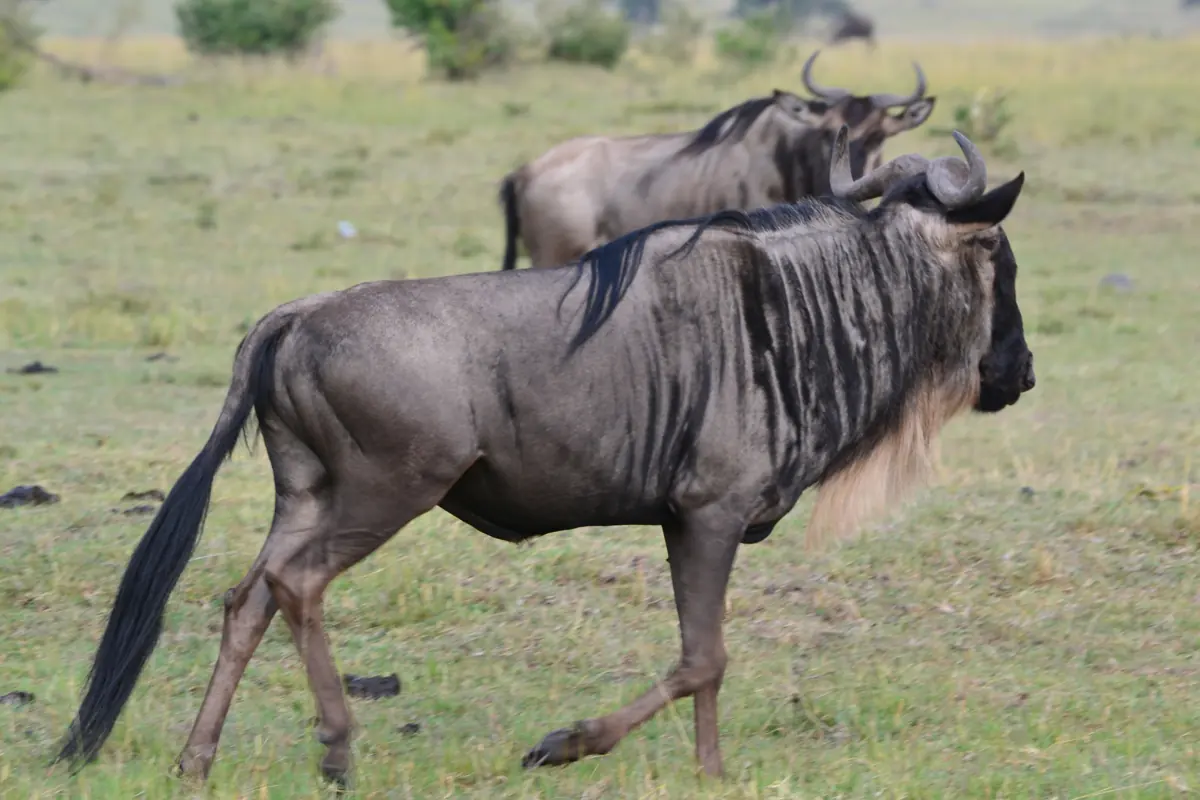
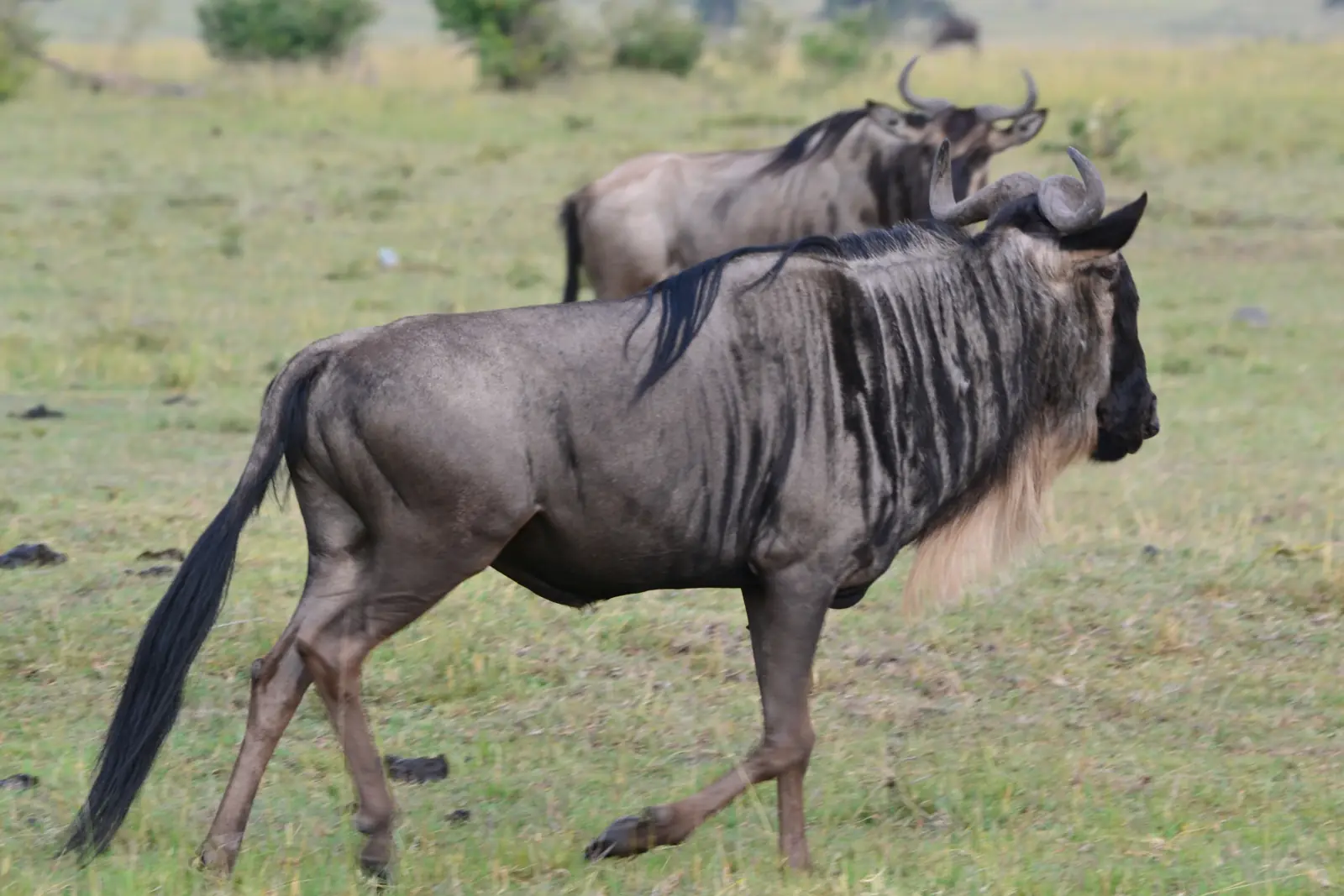
We reached the Mara in the long grass season, when the plains turn green and the wildebeest begin to arrive from the south. That first evening, under a sky so full of stars it looked fake, Polycarp told us to be ready at 5:30.

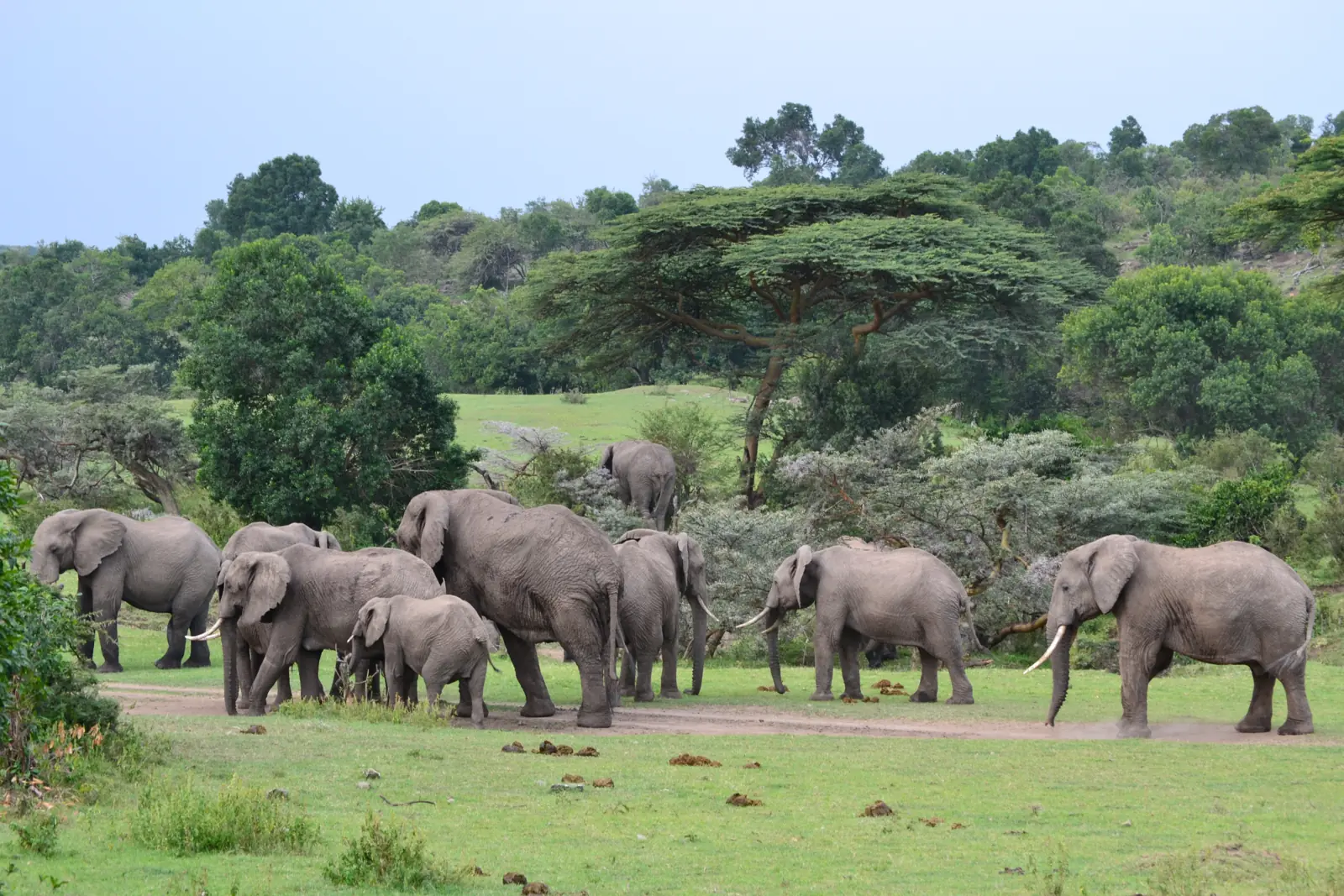
We went up in a hot-air balloon before dawn. The burner roared, the ground fell away, and the sun came up orange over the plains, exactly the way my father-in-law had promised. Below us, elephants moved through the trees in single file and the Mara River curled through the grass like a brown ribbon. My wife held my arm so hard it left a mark. Nobody in the basket said a word.

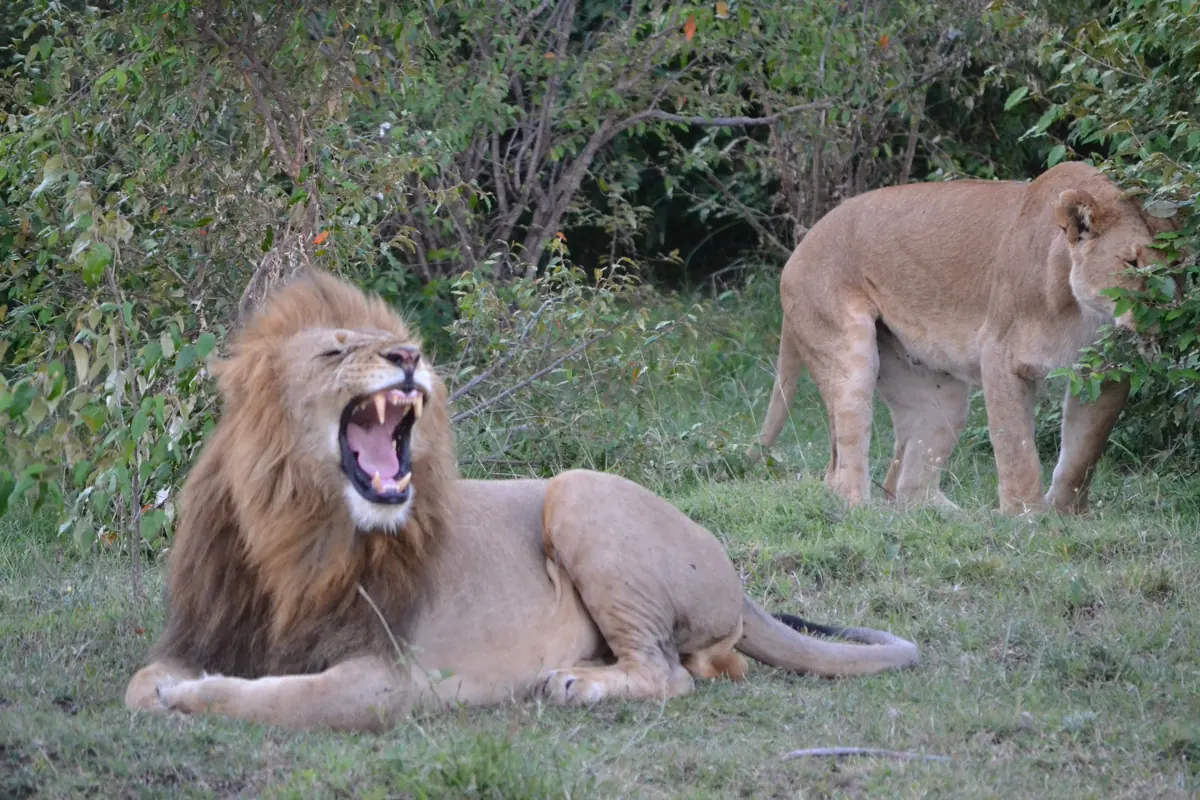
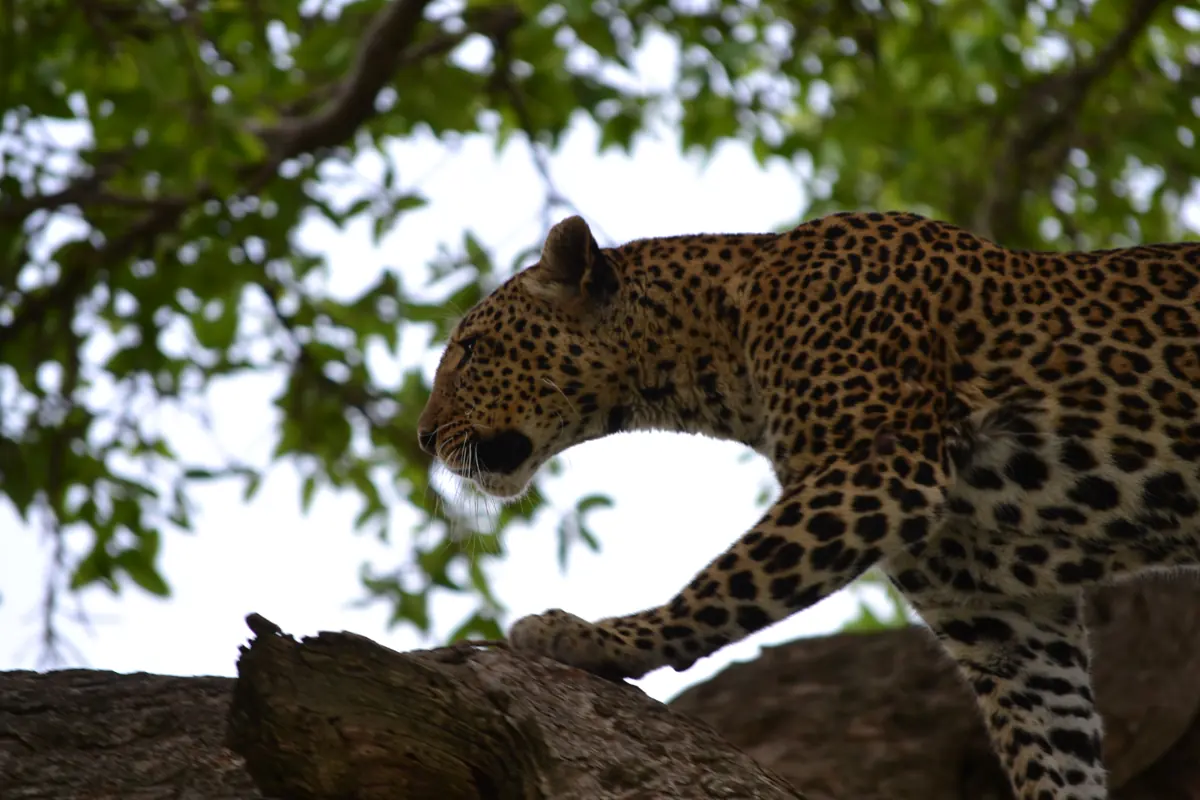
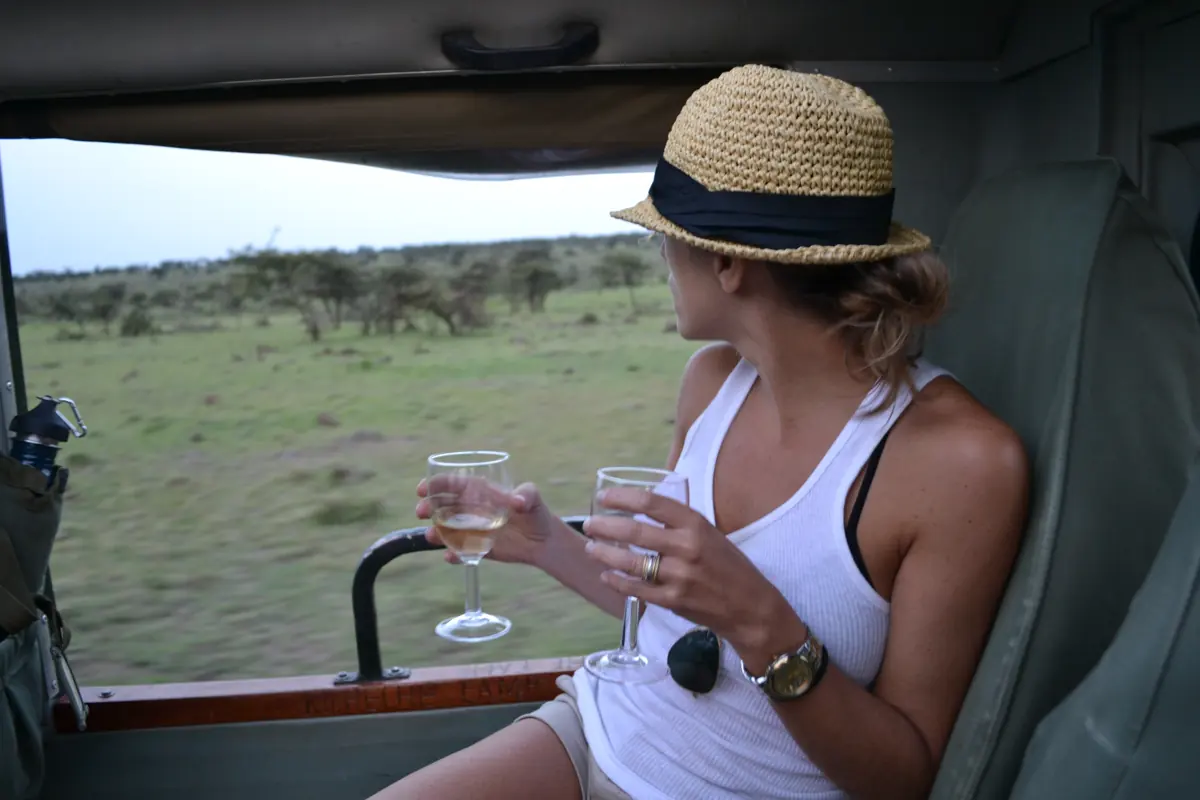
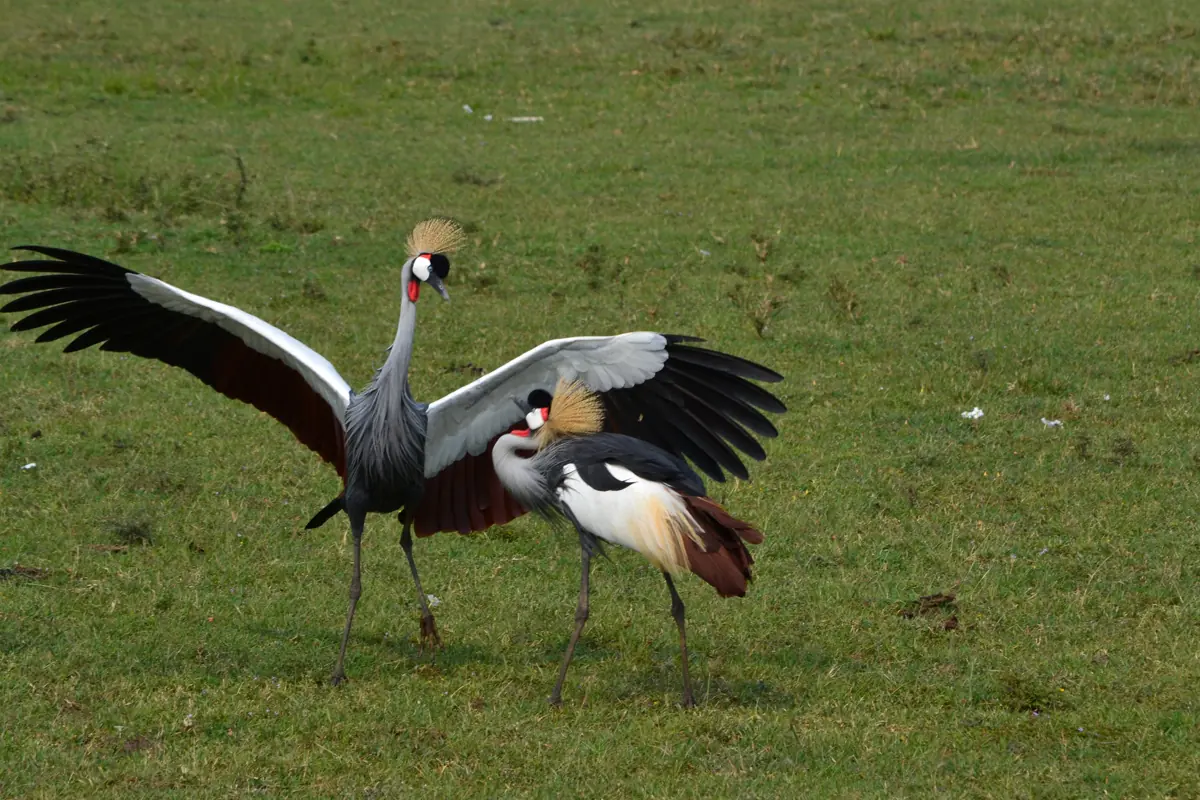
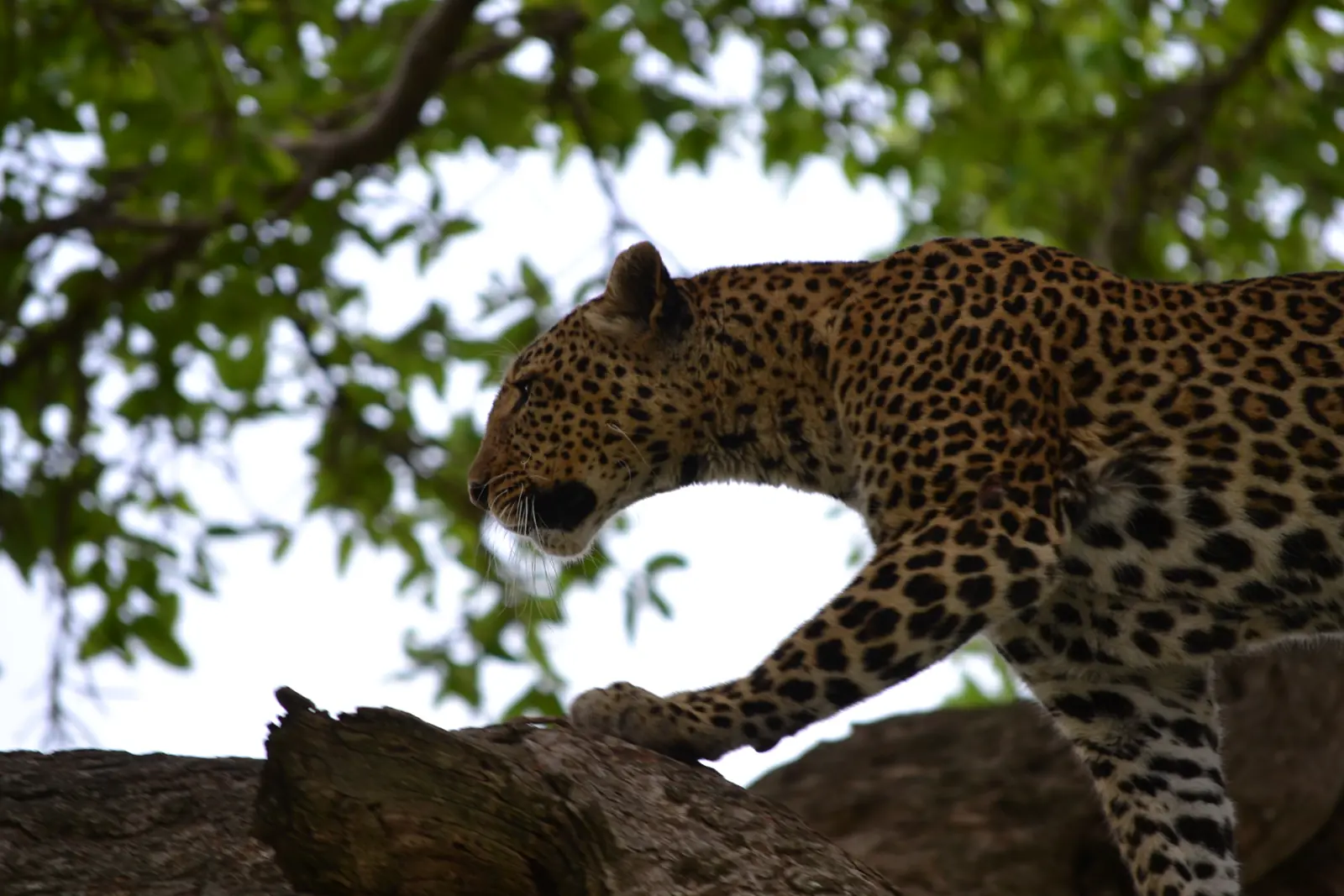
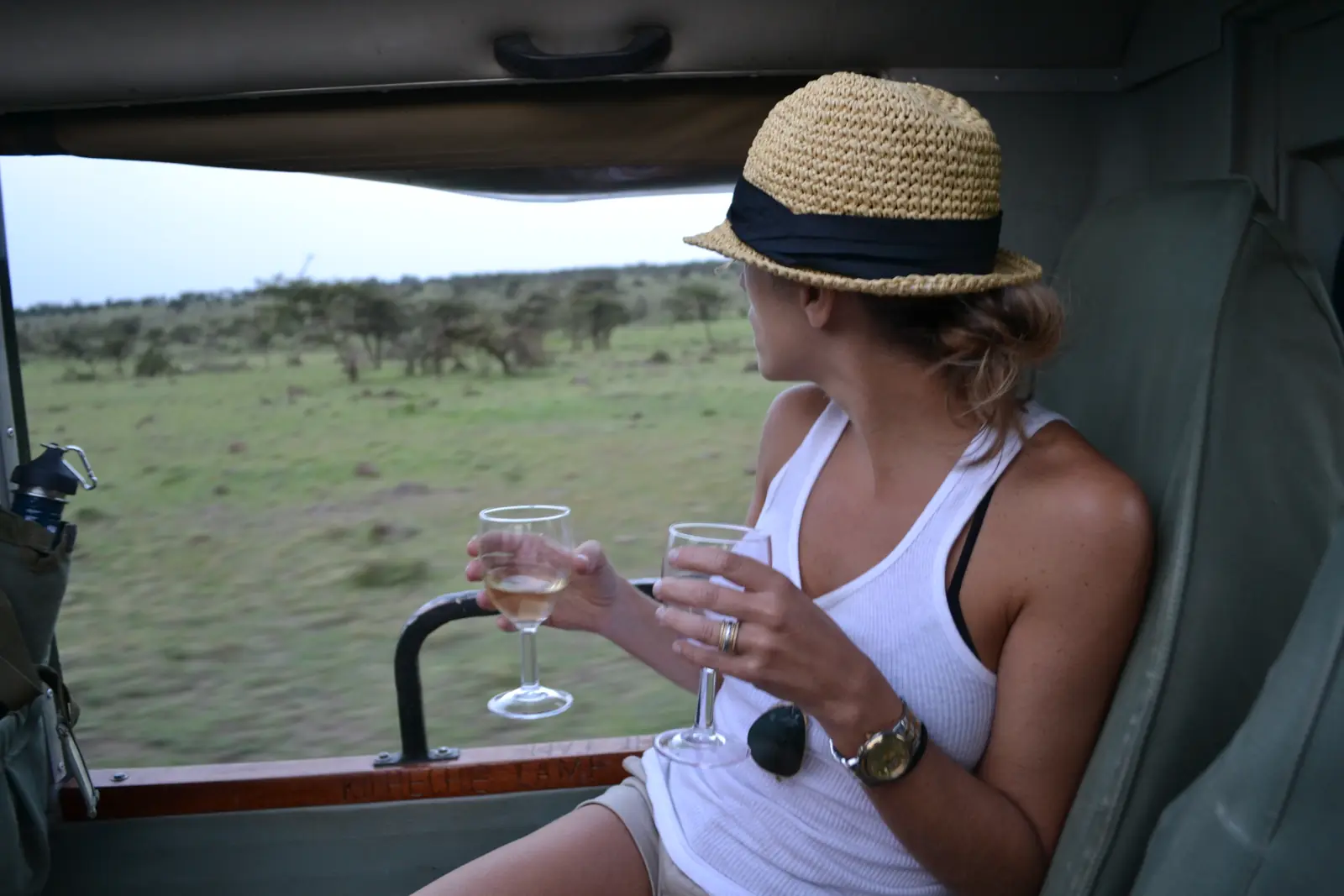
Over the next week we watched a lion and lioness lounge in the grass close enough to hear them breathe, a leopard drape herself over a branch, and crowned cranes dance for each other in a clearing. In the evenings Polycarp would pull over at the best view he could find and pour us a glass of something cold while the light went gold.

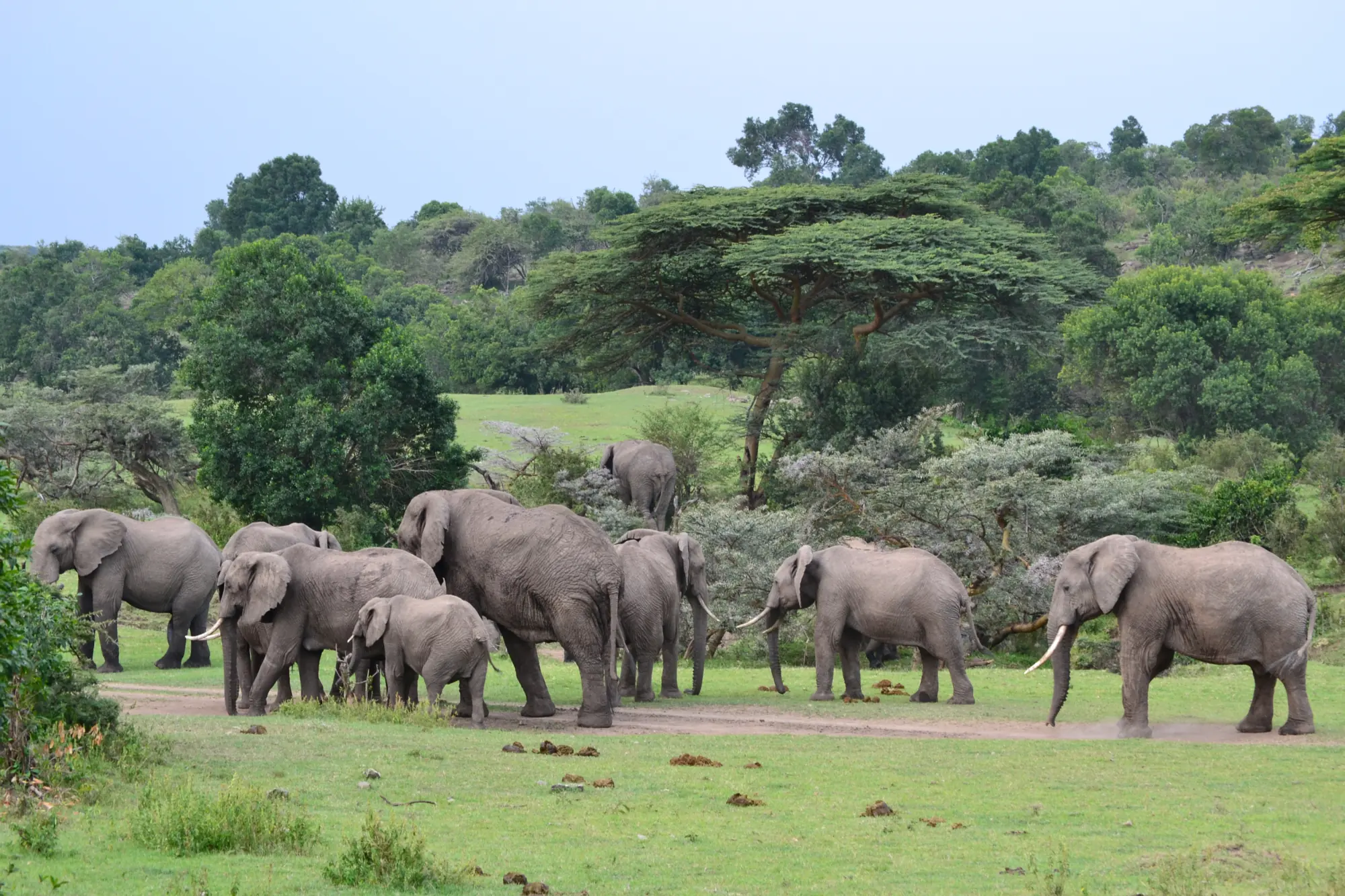
A large family of elephants crossing a green clearing ringed with acacia trees
An elephant family crossing the track in front of us

The day the Maasai made me jump

On our last day in the Mara, Polycarp took us to a Maasai village near land his family has grazed for generations. The women met us first in a wall of color, singing a welcome song and laughing at how pale we were.

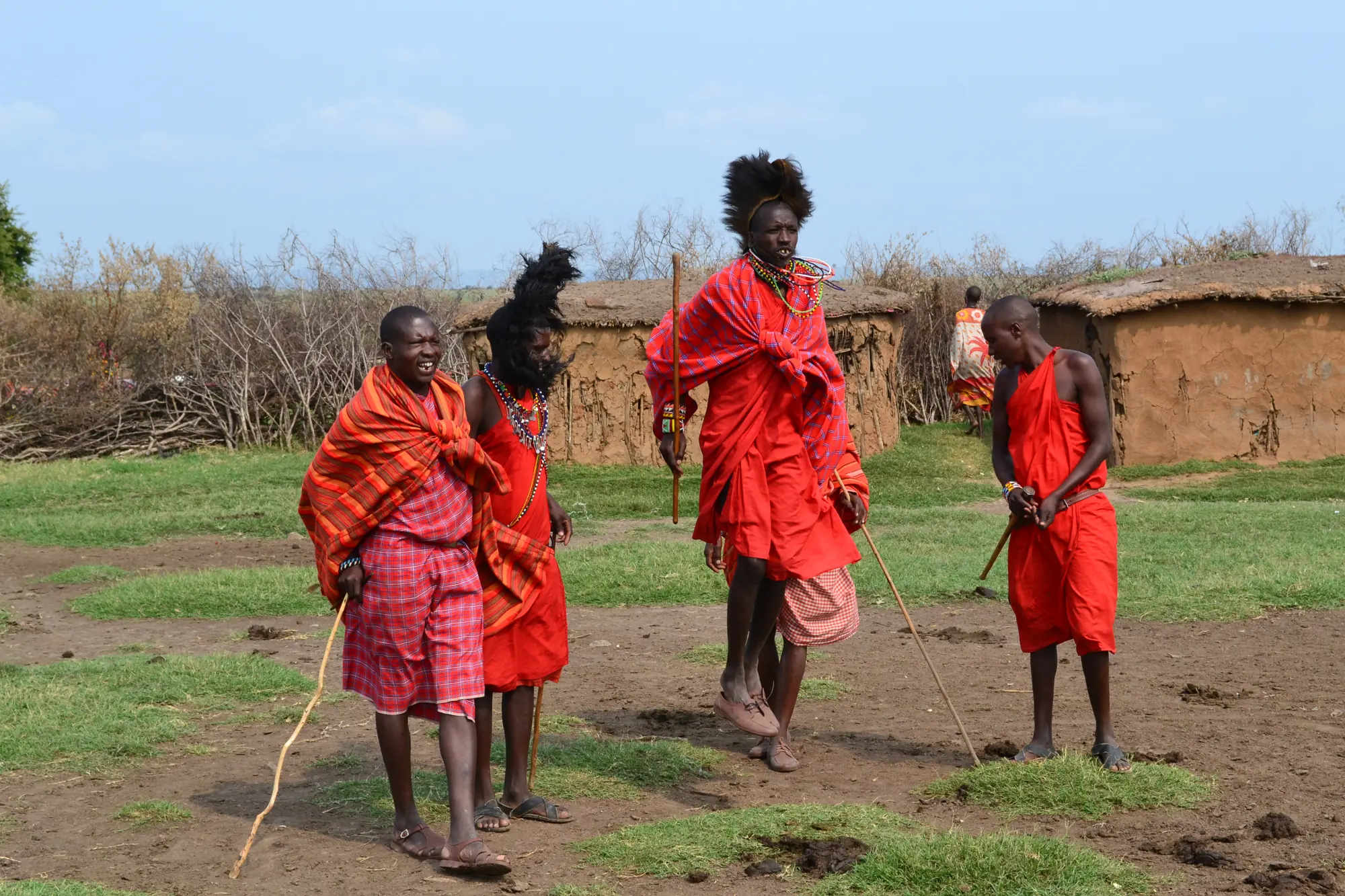
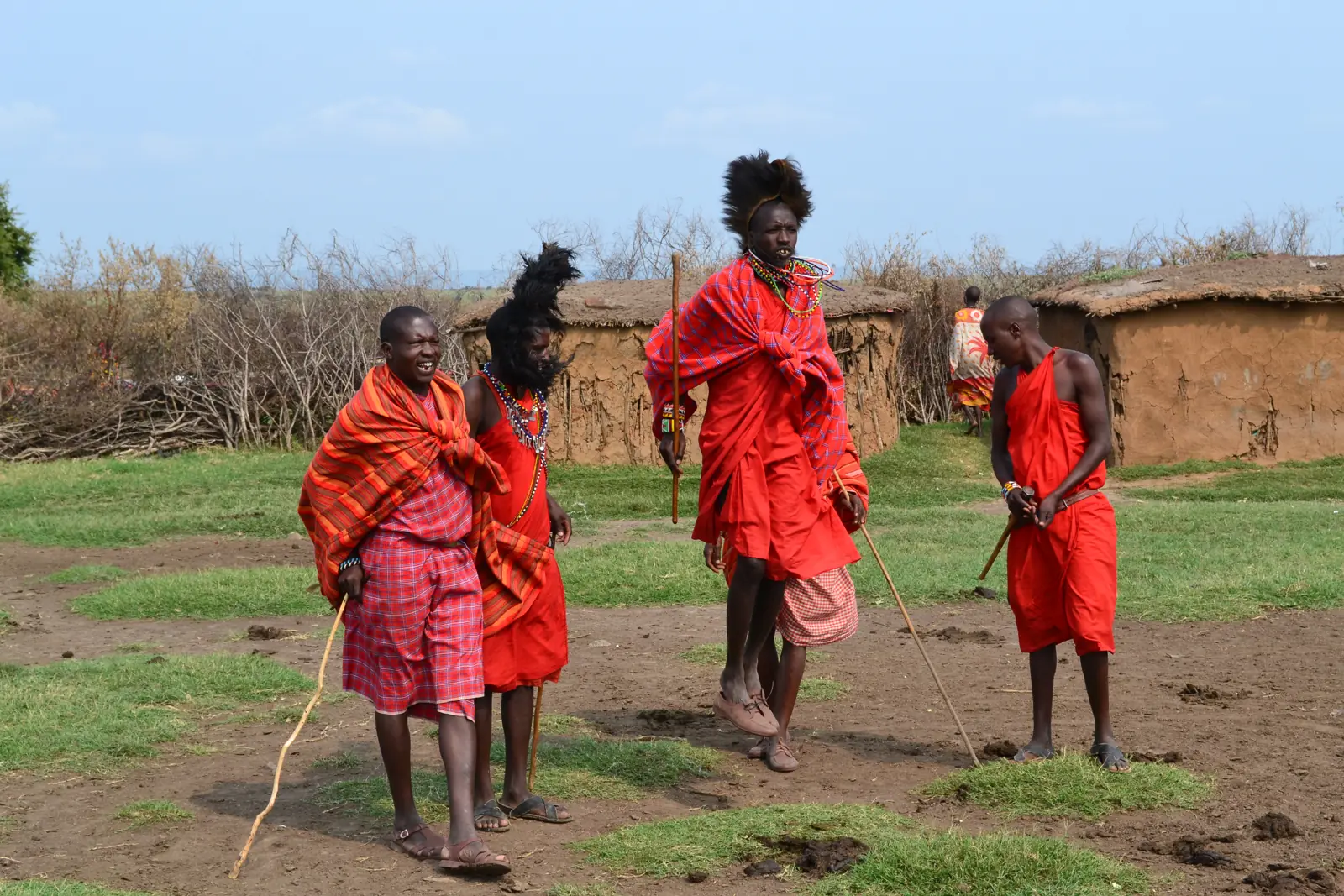
Then the warriors, the moran, lined up in their red shukas for the adumu, the jumping dance. Each man leaps straight up, higher and higher, while the others sing a deep rhythm underneath. They handed me a stick and told me it was my turn. I did my best. The whole village laughed, then cheered, then made me do it again.

Maasai warriors in red shukas, one leaping high in the air during the adumu jumping dance
The adumu. The man in the middle is about two feet off the ground.

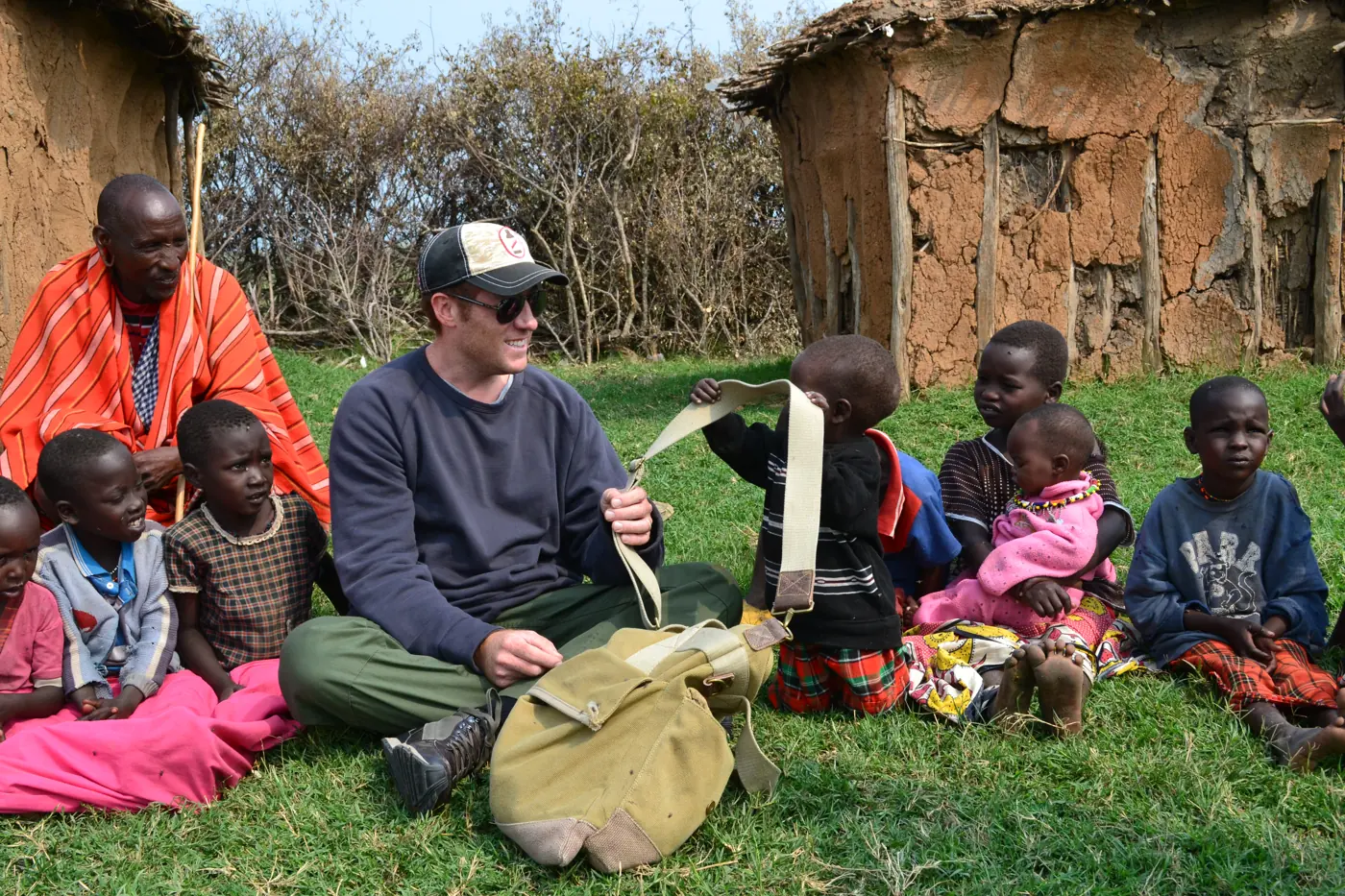
Afterward I sat down in the grass and the children piled in around me. They went through my camera bag one item at a time, asking what everything was. A little girl kept trying to fit my sunglasses on her baby brother.

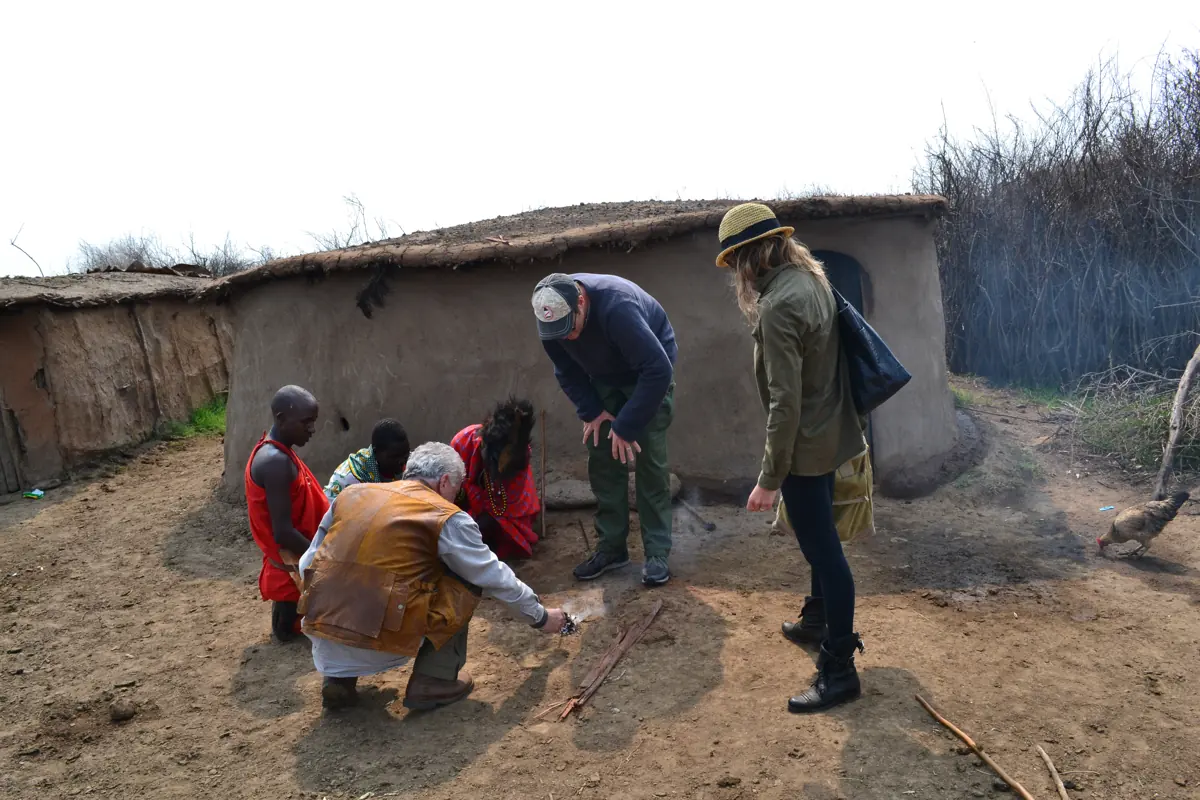
The elders showed my father-in-law how they make fire with nothing but two sticks and a knife. It took them about thirty seconds. It took him ten minutes, a lot of laughing, and some help.

A man sitting in the grass surrounded by smiling Maasai children in front of mud houses
My new best friends

Tsavo, where the elephants are red

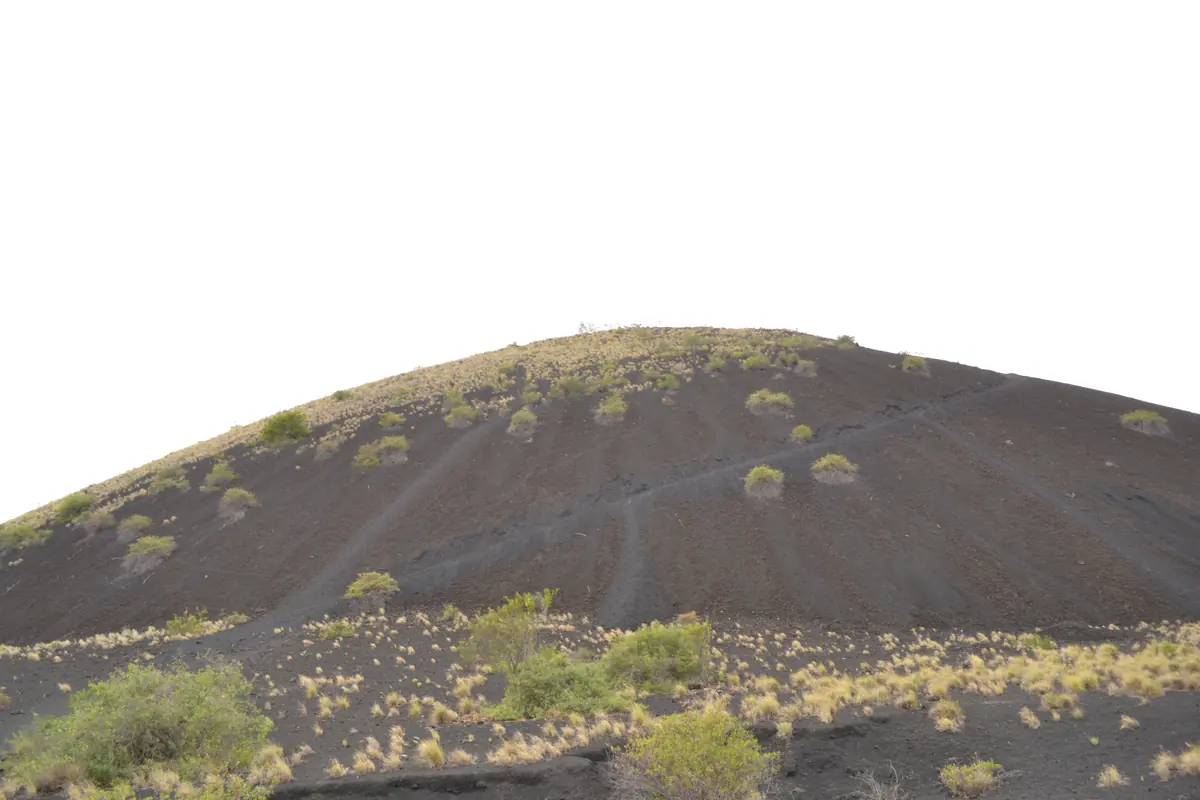
The last leg took us southeast to Tsavo, Kenya's biggest park. It feels like a different country. The soil is rust red, the elephants dust themselves in it until they're red too, and black lava flows from old volcanoes run for miles under the Chyulu Hills.

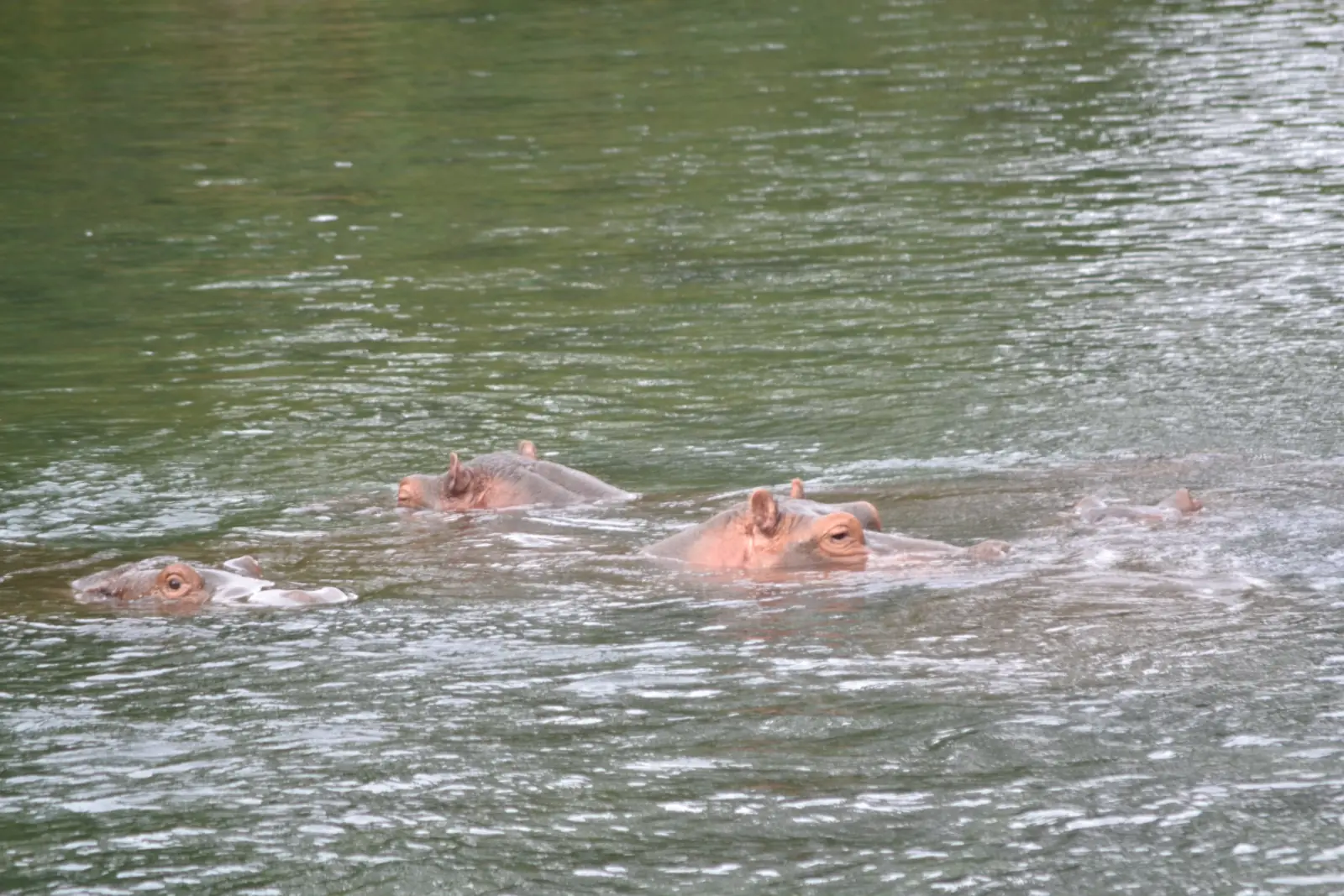
At Mzima Springs, crystal-clear water bubbles up from under the lava, and a pod of hippos spends the whole day in it. We watched them from the bank for an hour. My father-in-law named every one of them.

What Kenya taught us about animals

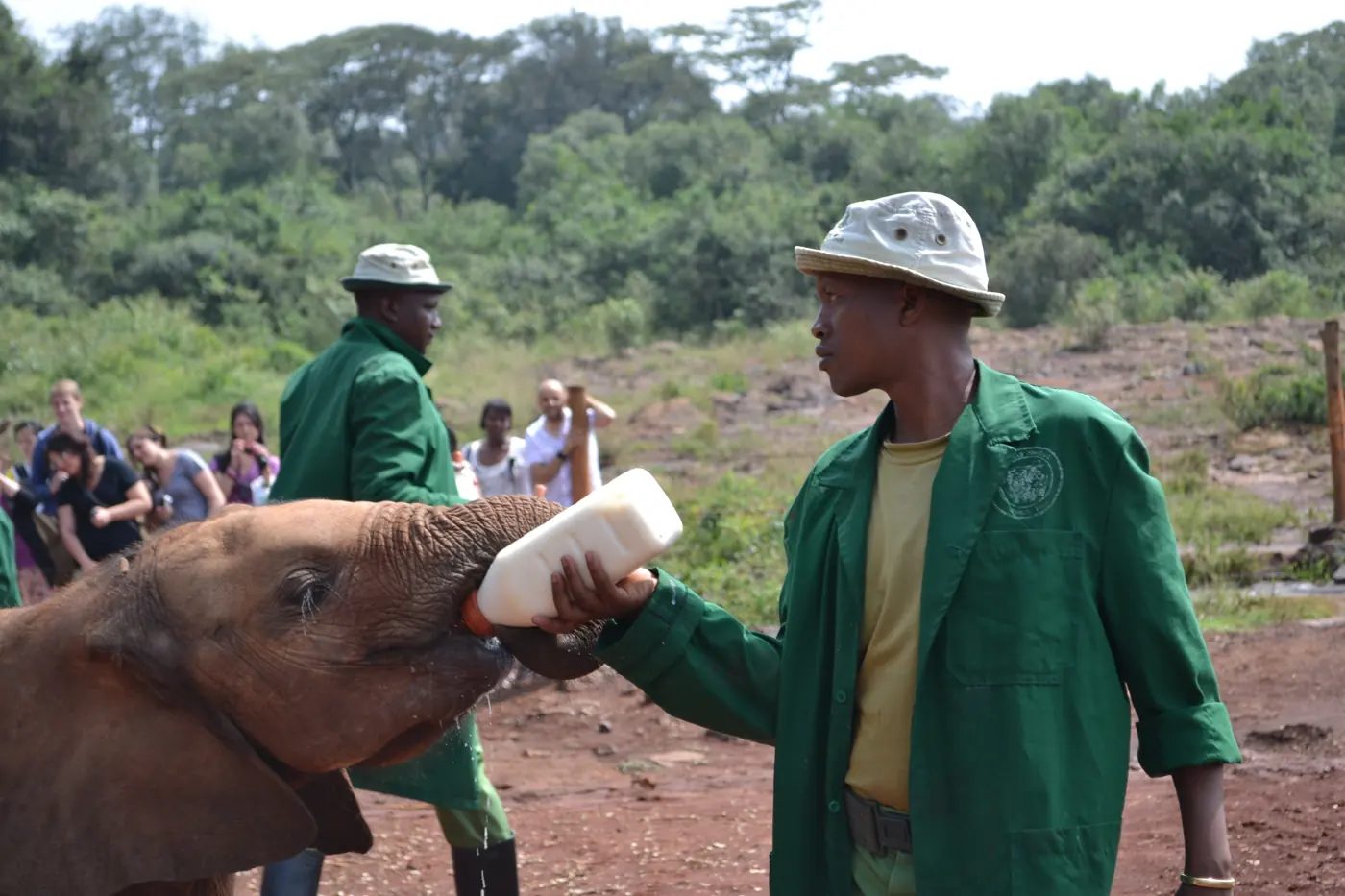
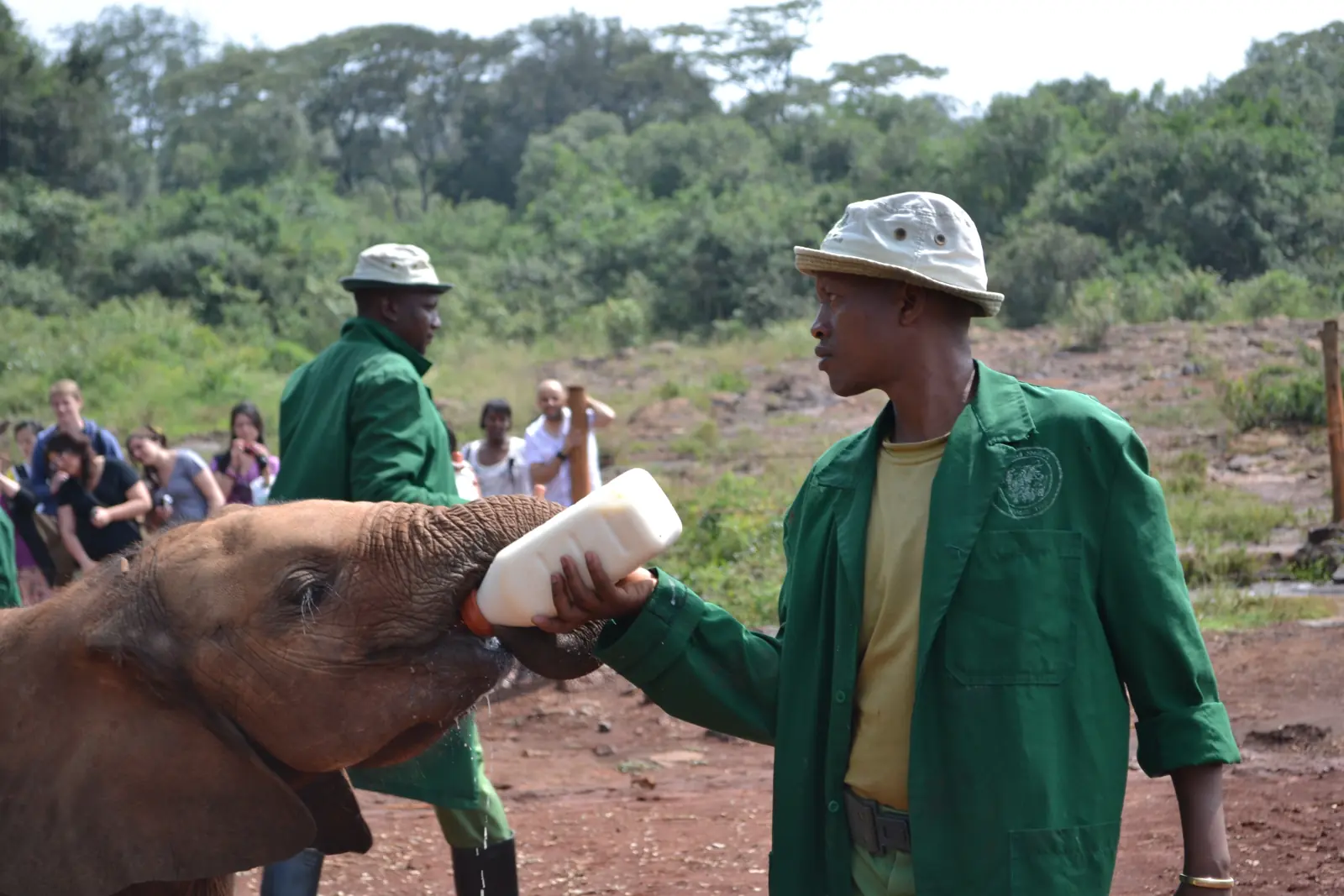
On our last morning we visited an elephant orphanage outside Nairobi. Keepers in green coats walked baby elephants out of the forest and fed them giant bottles of milk while the babies flapped their ears and pushed each other for a turn. Each keeper sleeps beside his elephant at night, so it's never alone.

A keeper in a green coat bottle-feeding a baby elephant
Breakfast for an orphan

That morning summed up the whole trip for me. Polycarp turned the engine off every time we found a big cat, and he never let us crowd one. If another truck came too close, he quietly backed away to give the animal room.

He told us that for the Maasai, cattle are wealth and lions are a real danger to them. Yet the communities around the Mara and Laikipia have chosen to protect the wildlife. Families lease their land to conservancies so the animals have space to roam, and young men who once proved themselves by hunting lions now work as rangers and guides.

When you book with a good operator, part of what you pay goes straight back to those communities. That's the part of the trip I'm proudest of.

The photo album

More from three weeks in Kenya

Every photo here is ours. Pick an animal, a place, or both.

Animal
Location

From the blog

Latest safari stories and wildlife guides

Kenya safari guides

Planning your own trip? Start here.

Why everyone should go once

Kenya is the trip you'll still be talking about in thirty years.

The animals aren't in a park. You are.

Lions, leopards, elephants, buffalo and rhinos, plus wild dogs and northern species you'll see almost nowhere else. Every drive is different, and every one is real.

So many worlds in one country

Green highland ranches, pink Rift Valley lakes, the golden Mara and the red earth of Tsavo. In three weeks we felt like we'd crossed a continent.

The people

The Maasai and Samburu are some of the warmest, proudest, happiest people we've ever met. The village visits are what everyone asks us about first.

It brings families closer

We went as newlyweds with my father-in-law. Three weeks of days in the truck and nights by the fire, with no phones. We came home closer than when we left.

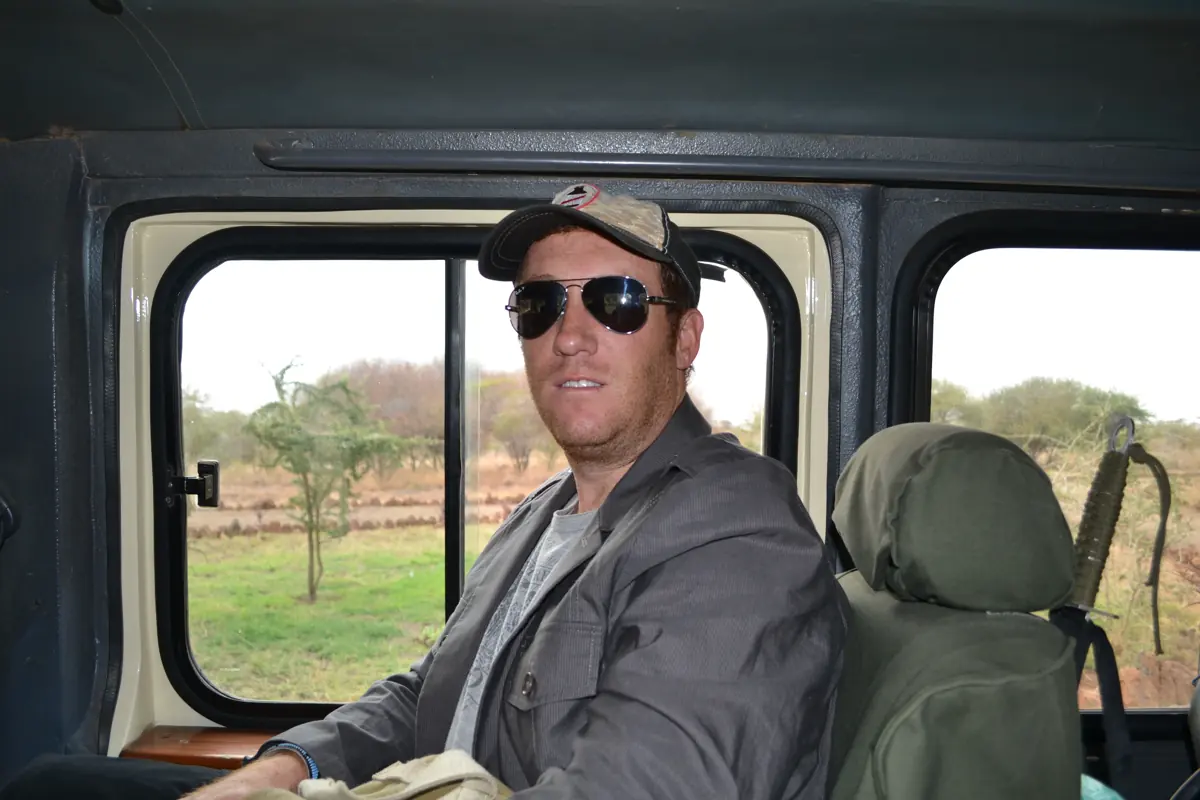
A smiling traveler in sunglasses sitting in the seat of a safari Land Cruiser
Home for three weeks
Plan your own Kenya safari

Ready to stand at the edge of the Mara?

Explore safari specialists, multi-day tour marketplaces, and local experiences. Compare the options, then visit the provider that best matches how you want to plan your trip.

We may earn a commission if you book or shop through links on this page. You choose the provider that works best for you.

Custom safari planning

Go2Africa

Work with an African safari specialist to plan a tailored itinerary, including accommodation, transfers, and experiences.

Explore Go2Africa (opens in a new tab)
Safari gear and packing

Get ready for your safari

Find clothing, luggage, outdoor essentials, and photography equipment for your trip. Check your safari operator's packing advice and baggage limits before buying.

We may earn a commission if you book or shop through links on this page. You choose the provider that works best for you.

Luggage and organizers

Eagle Creek

Explore duffels, travel bags, packing cubes, and organizers. Confirm dimensions and weight against your itinerary's baggage limits.

Shop travel bags (opens in a new tab)